
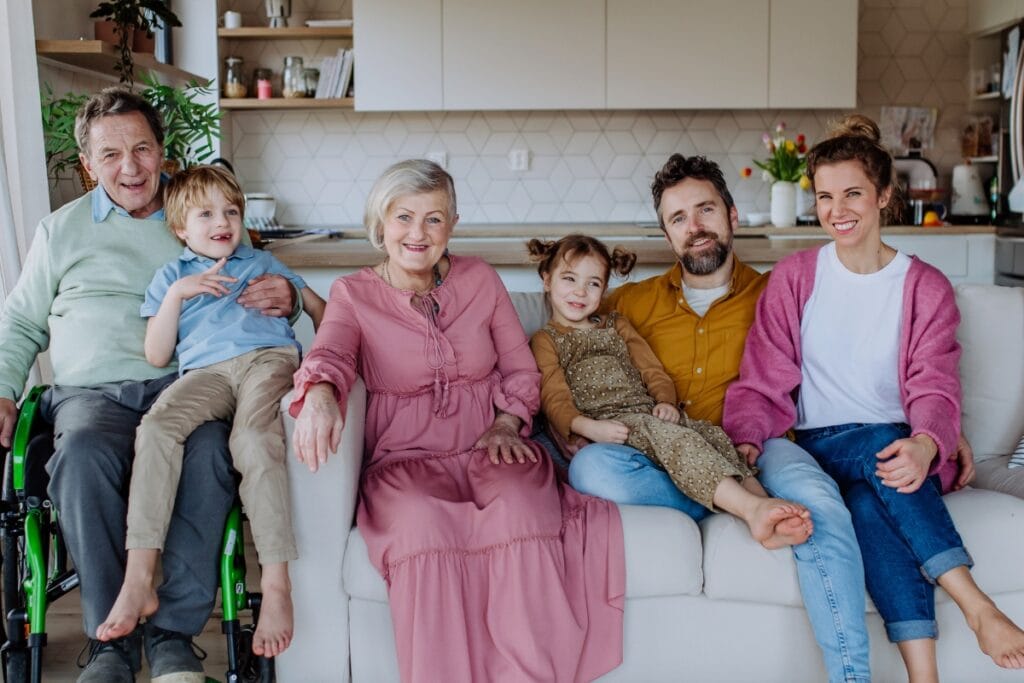
There is a generation of South Africans quietly carrying one of the heaviest burdens in modern family life, and many are doing it without support, recognition, or even conversation. They are the “sandwich generation”. Adults simultaneously caring for ageing parents while still supporting children, often financially, emotionally, and physically.
What was once considered an occasional family circumstance has become a defining reality for many middle-aged South Africans. And it is accelerating.
We are seeing a noticeable shift in the profile of families seeking support from home-based care services. Increasingly, the people reaching out are professionals in their 40s, 50s and early 60s who are trying to hold together demanding careers, rising living costs, children who remain financially dependent for longer, and parents whose healthcare needs are becoming more complex.
In many cases, they are not simply helping occasionally. They are managing medication schedules, coordinating medical appointments, handling emergencies, overseeing finances, and providing emotional support across two generations, all while trying to maintain some sense of balance in their own lives. The emotional toll is enormous. For many adult children, one of the most difficult emotional shifts is navigating the change in relationship dynamics, particularly when the role of “child” slowly becomes that of caregiver.
South Africans have always valued family responsibility, and there is often a deeply personal sense of duty attached to caring for loved ones. But the reality is that family structures and economic conditions have changed dramatically over the last decade.
People are working longer hours. Adult children are staying at home longer due to economic pressure. Healthcare costs continue to rise. At the same time, South Africans are living longer, which means families are navigating extended periods of elderly care, often involving frailty, chronic illness, or cognitive decline. The result is a generation caught between responsibility and exhaustion.
What is most concerning is that caregiver burnout remains widely underestimated. Many people assume caregiving is simply part of life and something families should naturally absorb. But prolonged caregiving without adequate support can have serious consequences on mental health, physical well-being, productivity, and family relationships. And unlike traditional workplace burnout, caregiving burnout does not end when the workday does. It follows people home because home is where the responsibility exists.
One of the biggest misconceptions encountered is the belief that seeking professional care support somehow means families are stepping back from responsibility. In reality, the opposite is true. The families who seek support are often the ones trying hardest to protect both their loved ones and themselves from reaching crisis point.
Professional home-based care is not about replacing family involvement, it is about making care sustainable. It allows families to move from survival mode into a healthier, more balanced support system where adult children can focus on being present emotionally instead of constantly operating under pressure.
Importantly, it also enables older adults to maintain dignity, independence, and familiarity within their own homes for longer, something most South Africans deeply value.
I believe this conversation is only going to become more urgent in the years ahead.
South Africa is entering a period where ageing, healthcare, and caregiving will increasingly shape how families live, work, and plan financially. Yet many households are still waiting until a medical emergency forces difficult decisions that should have been discussed far earlier.
We need to normalise conversations around caregiving support, long-term care planning, and the realities facing the sandwich generation. Because behind many functioning households today is someone silently carrying the emotional, physical, and financial weight of two generations. And the truth is, they should not have to carry it alone.
A little support can make a big difference.
Retire at Home provides flexible home-based care, nursing support and care-centre services designed around real people, real families and real life.
Whether you need a few hours of support or more comprehensive care, we’ll help you find the right fit.